

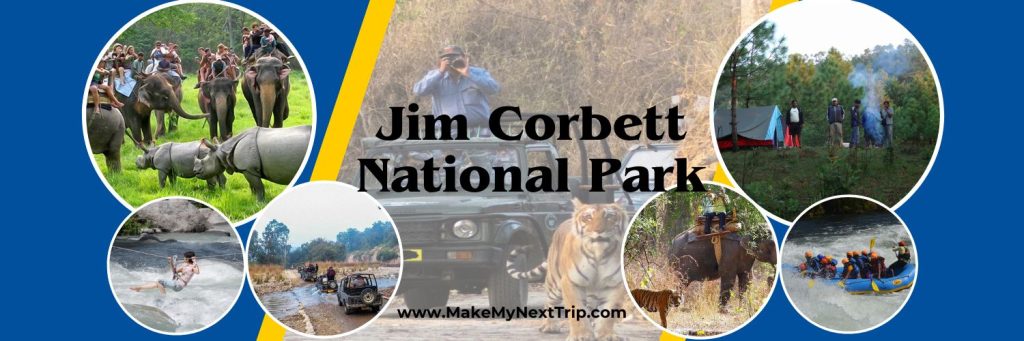
Jim Corbett National Park
History of Jim Corbett National Park- The very first national park in India, Jim Corbett National Park, was established in 1936 under the name of Hailey National Park. Initially, it was owned by the Tehri Garhwal princely state, but the Raja of Tehri handed over a portion of the region to the East India Company in exchange for their assistance in removing the Gurkhas. In the mid-1950s, the park was renamed as Ramganga National Park. However, it was renamed once again in 1955-56 as Jim Corbett National Park, in honor of a renowned British sportsman and writer named Jim Corbett. About Jim Corbett Nation Park Situated near the popular hill station of Nainital, Jim Corbett National Park is a stunning park situated at the foothills of the Himalayas. It is renowned for its large population of tigers, which is the highest among all Indian national parks. At present, the total area of the park is 1,318.54 square kilometers (509.09 sq mi), consisting of a core area spanning 520 square kilometers (200 sq mi) and a buffer area covering 797.72 square kilometers (308.00 sq mi). The core area forms the Jim Corbett National Park, while the buffer area includes reserve forests spanning 496.54 square kilometers (191.72 sq mi) and the Sonanadi Wildlife Sanctuary spanning 301.18 square kilometers (116.29 sq mi). The park was created as part of India’s Project Tiger, which sought to safeguard tigers in the nation’s national parks, primarily the Bengal tiger (Panthera tigris). The park boasts an extensive collection of 488 different plant species. Sal (Shorea), teak, oak, silver fir, spruce, cypress, birch, and bamboo are among the tree species that make up the forest cover. To provide the animals of the park with natural cover, a reed forest was established. Numerous migratory birds can be found in the park. There are at least 600 resident and migratory bird species known, among them, shikras (Levant sparrowhawks), Indian white-backed vultures, black partridges, golden orioles, red jungle fowl, black-crowned night herons, and peafowl are some of the common sightings. The park is home to a diverse range of wildlife, including 25 reptile species like the Indian python and cobras. Additionally, it boasts 7 species of amphibians, which include crocodiles and gharials. In addition to tigers, the Corbett National Park is also inhabited by Leopards. Other mammals that can be found there include the jungle cat, barking deer, spotted deer (chitals), sambar deer, sloth bears, Himalayan black bears, langurs, rhesus macaques, Asiatic black bears, Indian gray mongooses, elephants, wild boars, and nilgai (Indian antelope). The Corbett National Park is divided into different zones that offer visitors the opportunity to enjoy wildlife safaris and engage in various adventurous activities. Exploring the park’s diverse zones guarantees an unforgettable wildlife holiday experience. Each zone provides a lush atmosphere and well-equipped forest lodges for those seeking adventure. Bijrani Zone- Open Period for Safari Tour – 15th October to 30th June Safari Offered -Day Jeep Safari Maximum Number of Jeep Safari – 30 Jeeps in One Shift Forest Rest House – Bijrani FRH, Mailani FRH It is the second-best safari zone to spot tigers after Dhikala zone in the park with rich tiger sightings. It is a popular destination among tourists, appreciated for its scenic beauty and peaceful atmosphere. Bijrani has a diverse landscape with Sal forests and grasslands. The entry to this zone is through Amdanda Gate. Accommodation within the zone includes two Forest Rest Houses – Bijrani (FRH) and Malani (FRH). There are three types of accommodations including single, double, and four-bed rooms. The park offers good quality food served at KMVN canteen. Bijrani Range is divided into core, buffer, and tourism zones. Tourists are permitted to visit only the tourism zone, which begins 5 km from Amdanda Gate. The Forest Rest House (FRH) Bijrani is available for overnight stays in Bijrani Range. Visitors have the option of taking a jeep or elephant safari in Bijrani, but it is recommended to pre-book Safari at the Ramnagar office. Jungle safaris can be enjoyed in the morning or evening, but only in areas outside the core zones. To ensure the wildlife habitat is not disturbed, a limited number of vehicles are allowed on specific paths. In the Bijrani zone, only two safaris are operated per day. Malani sot (stream) offers a picturesque setting and a tranquil ambiance. It is one of the best locations for a peaceful stay and bird watching. Opening and Closing The Bijrani Day Safari zone of Corbett Tiger Reserve remains open for tourists from 15th October to June. And Bijrani Zone remains closed for night halts and Day visits from 1st July 2021 to 14th October 2021. Dhikala Zone- Entry Gate: Dhangari Gate, 32 Km From Ramnagar Open Period for Safari Tour – 15th November to 15th June Safari Offered -Day Canter Safari Only (No Jeep Safari) Maximum Number of Canter Safari Seats – 32 Seats in One Shift Forest Rest House – Dhikala FRH, Gairal FRH, Sarpduli FRH, Sultan FRH The Dhikala Zone is highly regarded and adored among all the tourist zones in the Corbett National Park. It is the most renowned and frequently visited zone. One of the reasons for its popularity is that it is situated deep within the national park and is known for its abundant Royal Bengal Tigers and majestic Asiatic Elephants. Visitors highly desire to explore this zone during the day for safaris and also to spend the night at the Dhikala forest rest house. The Dhikala Zone, the largest zone in the Corbett National Park, boasts a diverse range of plants and animals. The magnificent landscape of this zone includes expansive grasslands called Chaurs, dense forests of Sal trees, and multiple channels of the Ramganga River, providing a captivating view of nature. It is widely regarded as the prime zone for spotting tigers, making it the top choice for wildlife enthusiasts to spend the night. This region is also home to other animals such as wild elephants, Spotted Deer, Wild pigs, Hog Deer,
Jim Corbett National Park Read More »